

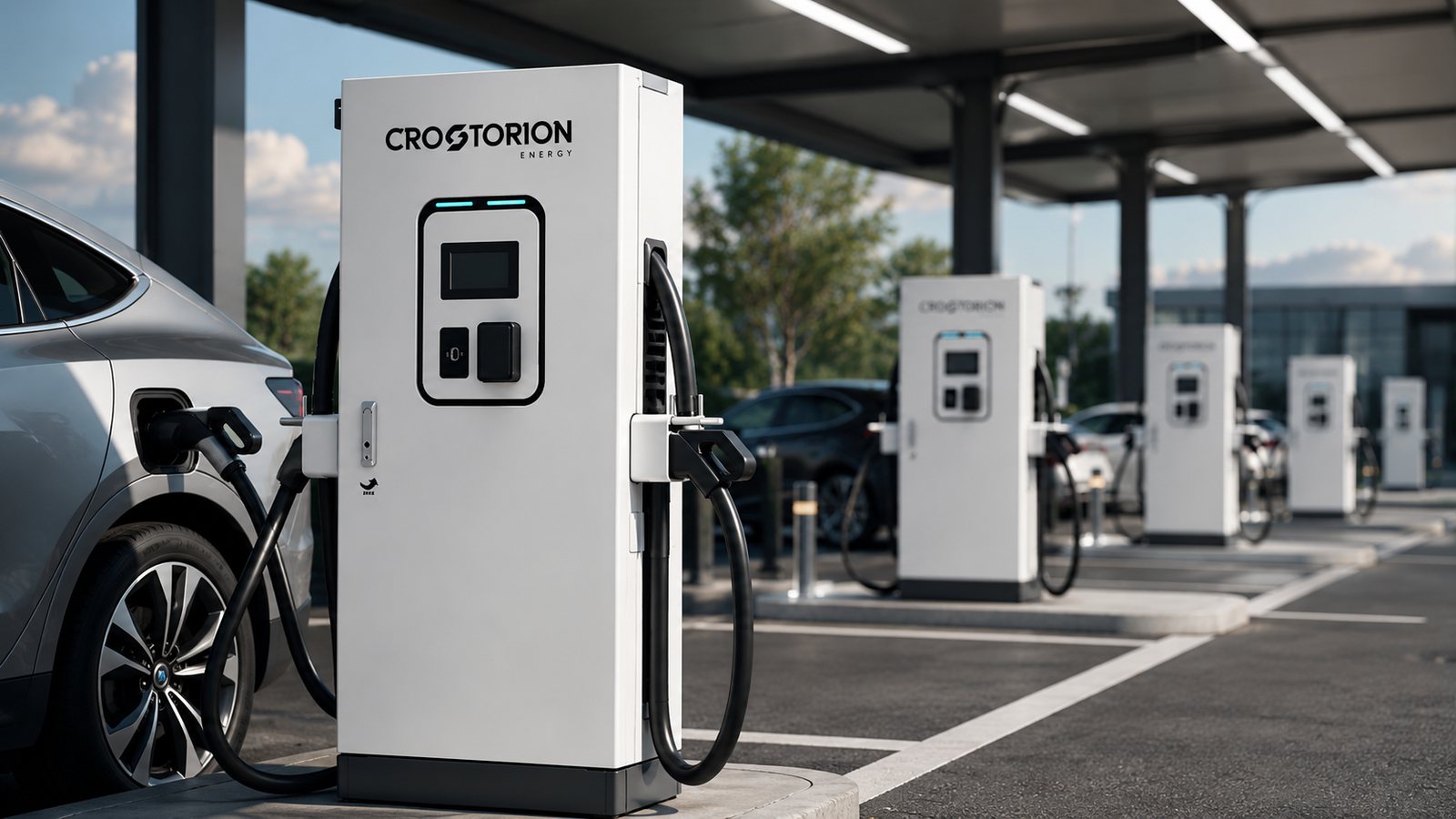
Fast charging
with a battery behind it
A cabinet sits between the grid and the charger: it fills slowly from the grid and discharges fast into the vehicle. The connection sees a flat, low draw; the vehicle sees full power.
Full charging power without a grid upgrade
A grid connection upgrade takes eighteen months and is paid up front. A battery delivers the peak the charger needs without raising the connection capacity.
One project instead of two: the charger and its storage arrive and are commissioned together, run from the same platform, and share the same service contract. Chargers, photovoltaics and the battery cabinet integrate on the same AC bus — one system, one point of connection.
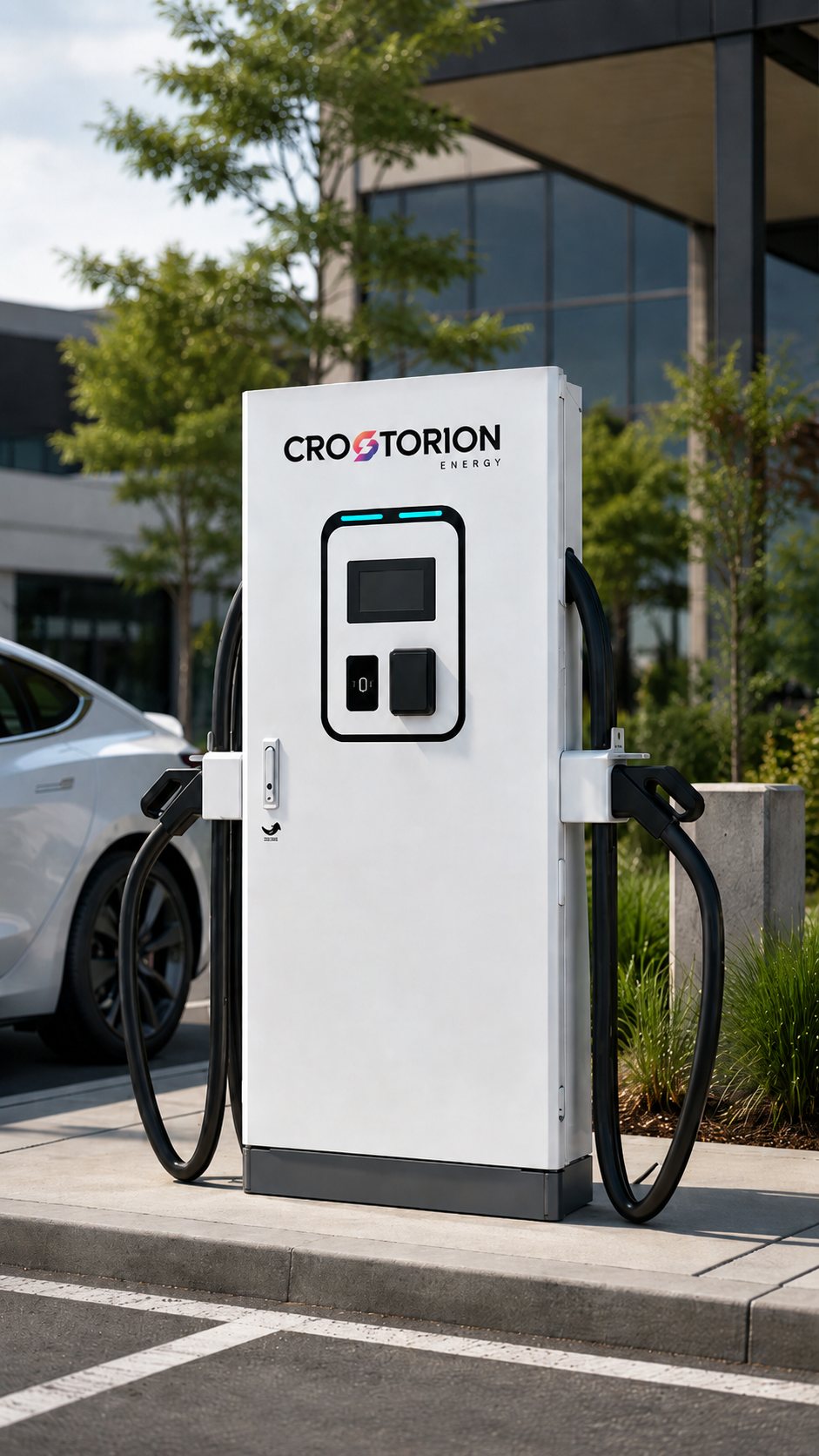
Charging with storage
DC fast charging with an integrated cabinet — one project, not two.
Back office
Manage chargers, billing and roaming from one platform. See below
Triple use
In season it charges vehicles. Out of season it does peak shaving and market work.
Answer three questions, and we can size it
They tell us most of what we need — and the third one usually settles it.
How much power does the site draw at peak?
The charger's demand set against the connection you have today.
How many vehicles, and how fast?
Determines the battery size and the charging profile.
Have you already been quoted for a grid upgrade?
If yes, you already know the number the battery competes against — and how long the upgrade takes.
Start with how long the car is parked
The right charger isn't the fastest one — it's the one that matches the stop. A car parked all night doesn't need speed. A car parked fifteen minutes needs nothing else.
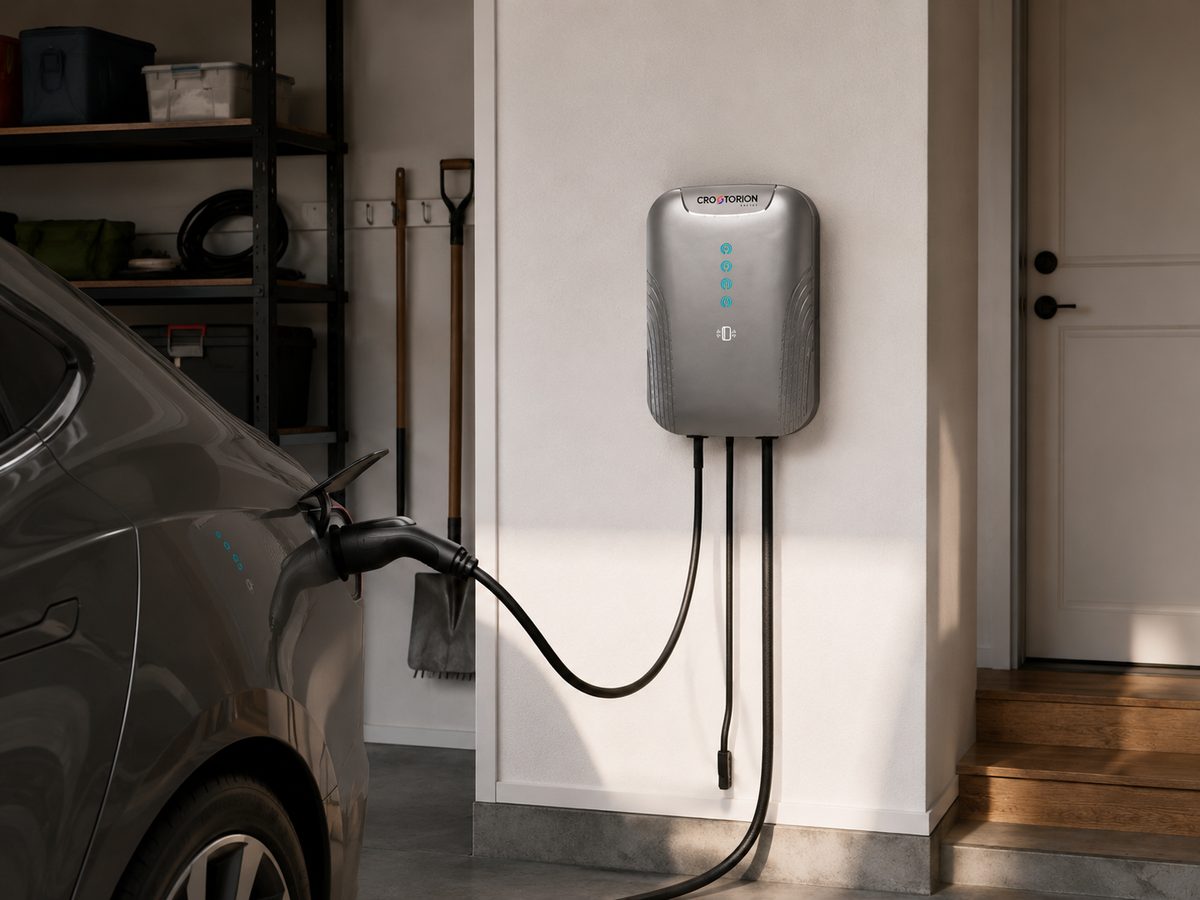
Homes, hotels & workplaces
The car is here for hours anyway. A wallbox quietly adds 40–60 km of range every hour — plugged in at ten, full by morning. That's the AC wallbox.
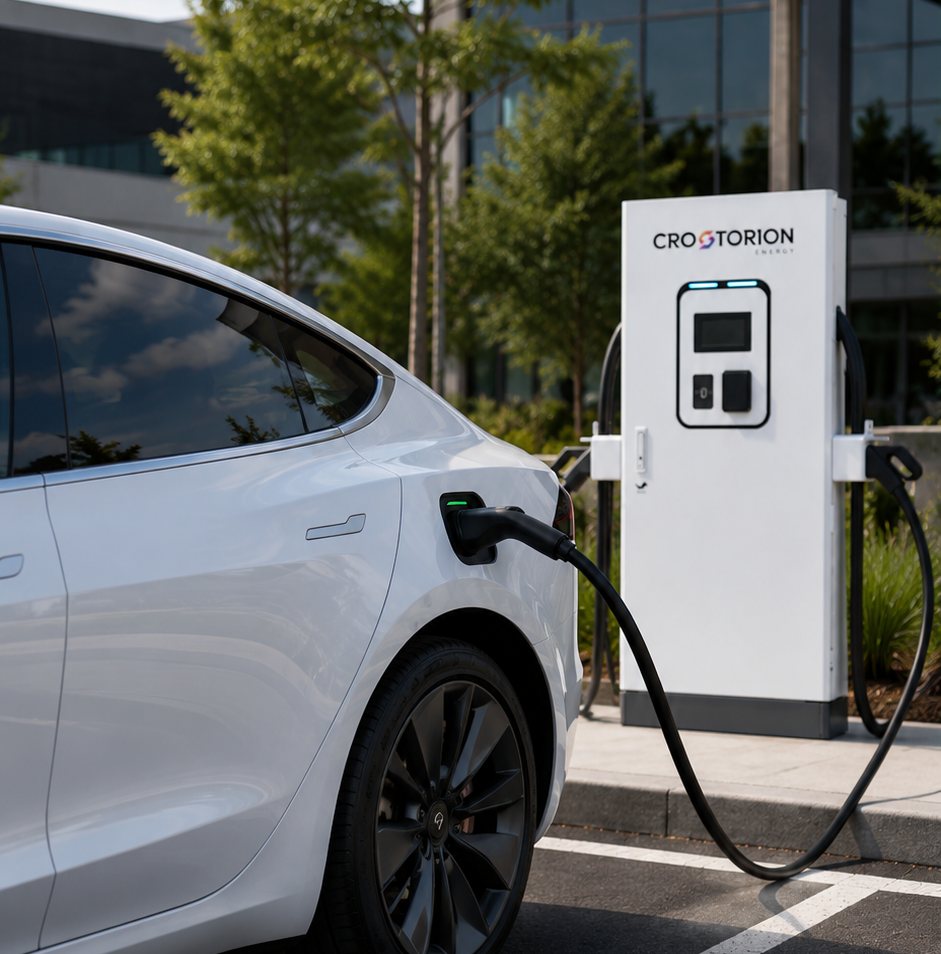
Shops, restaurants & gyms
Long enough for a real charge: 200 km and more goes back in while they eat or train. Guests leave with a full battery — and pick your car park because of it. That's DC fast.

Motorway stops & main corridors
A coffee and a stretch at a rest stop is all it takes: a typical EV goes from 10 to 80 percent in around twenty minutes — roughly 100 km of range in well under ten. That's DC high-power.
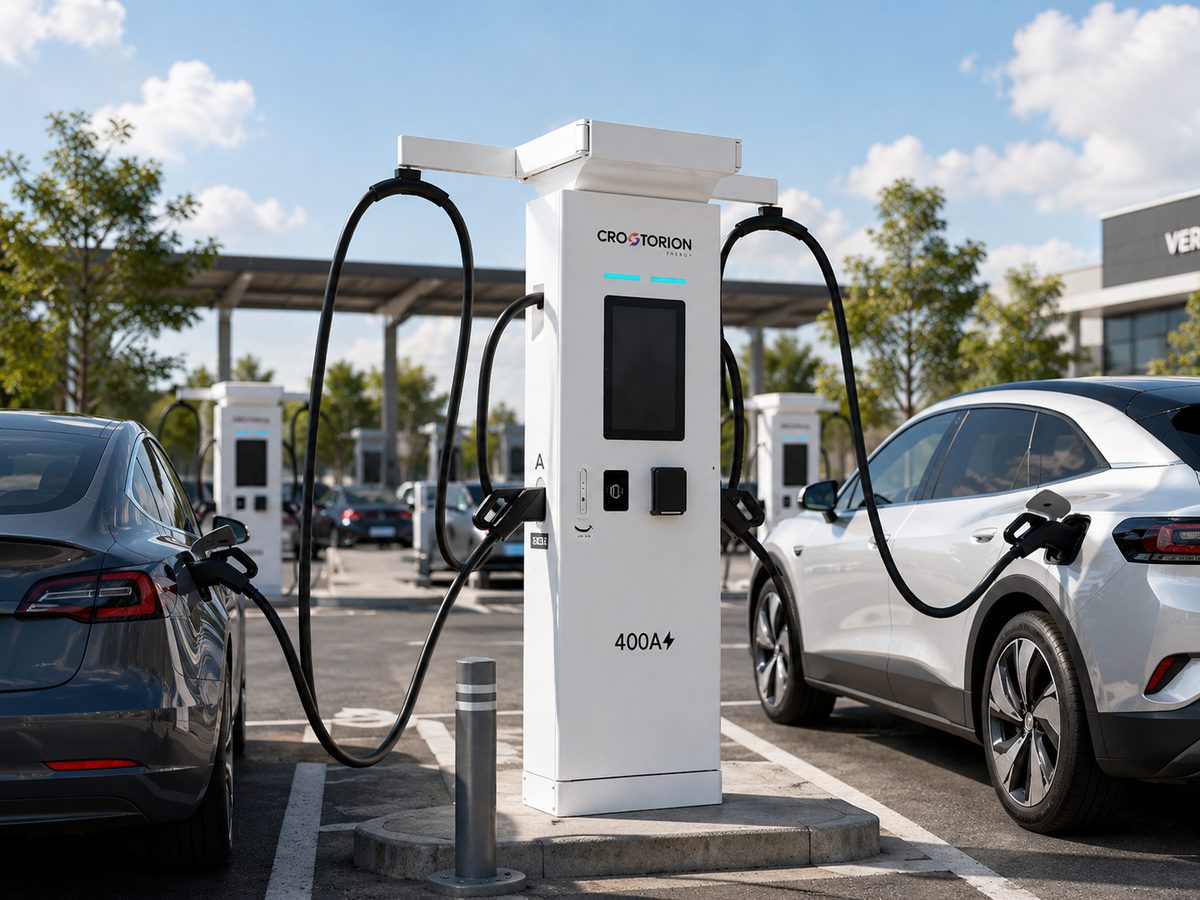
Depots & charging plazas
When it's never just one car, the hub splits 480 kW across up to eight vehicles — each gets what it can take, and nobody queues behind one fast unit. That's the HPC hub.
One plug standard, every EV
All our chargers use CCS2 and Type 2 — the European standard. A Tesla, a Škoda, a delivery van: if it charges in Europe, it charges here. And when the grid connection is the limit, a battery cabinet delivers the missing power — that's charging with storage.
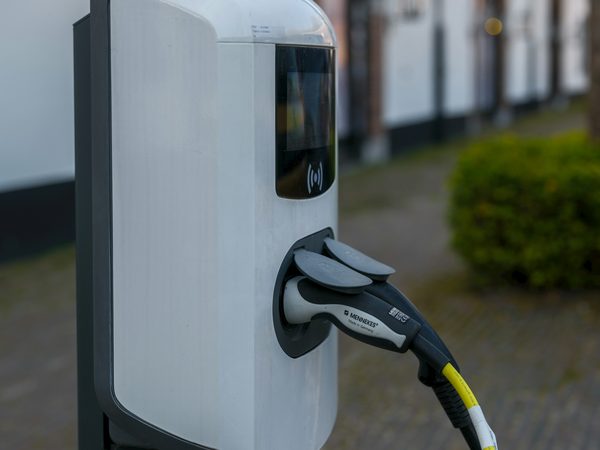
From a wallbox to a charging plaza
The details, once you know the stop you're serving. One family, one platform behind it — pick the power that fits the site today and step up later without changing systems.
Overnight & workplace
Retail, hotels & fleets
High-traffic locations
Charging plazas
Every unit: OCPP 1.6J (upgradeable to 2.0.1) · 4G/LTE connected · CE-certified · CCS2 / Type 2 · full datasheets on request.
Run the chargers, the billing and the roaming
The same platform that optimises the battery also manages the charge points.
- Charge point management — status, sessions and diagnostics across every point.
- Billing — tariffs, sessions and reporting.
- Roaming — accept drivers from other networks.
Start your own project
Tell us about your project and we'll size a system and reply within two business days.